What is vibe coding? It's the practice of building software by describing what you want in plain English — and letting an AI agent write the code for you. Coined by computer scientist Andrej Karpathy in February 2025, vibe coding has become the defining technology democratization movement of 2026, collapsing the barrier between "having an idea" and "shipping a product" to virtually zero.
From Harvard classrooms to Microsoft boardrooms, vibe coding is rewriting the rules of who gets to create technology. GitHub Copilot now serves over 20 million developers, Lovable raised funding at a reported $6.6 billion valuation, and platforms like Cursor AI, Replit, and v0 are turning everyday people — dog walkers, travel consultants, middle schoolers — into functional software builders. This isn't a niche trend. It's the biggest shift in technology accessibility since the smartphone.
What Is Vibe Coding and Why Does It Matter?
Vibe coding is creating software with the assistance of AI where you don't necessarily understand the code being produced. Unlike traditional programming, which requires years of study in languages like Python, JavaScript, or C++, vibe coding lets you describe the outcome you want — "build me an expense tracking app" or "create a website that tells stories" — and the AI handles the implementation.
The term was popularized by Andrej Karpathy, a prominent AI researcher and former Tesla AI director, who described his own experience of "just vibing" with an AI agent and accepting whatever code it produced. What started as a playful observation has become a global movement.
"The barrier to getting your idea on paper or on a computer or getting it working — getting the first cut, first draft — is down to zero," says David Fowler, Distinguished Engineer at Microsoft. "Anyone can do it."
Key Stat: GitHub Copilot now has over 20 million users, and Lovable — a platform that turns natural language descriptions into working web applications — reached a $6.6 billion valuation in late 2025.
How Vibe Coding Works: From Conversation to Creation
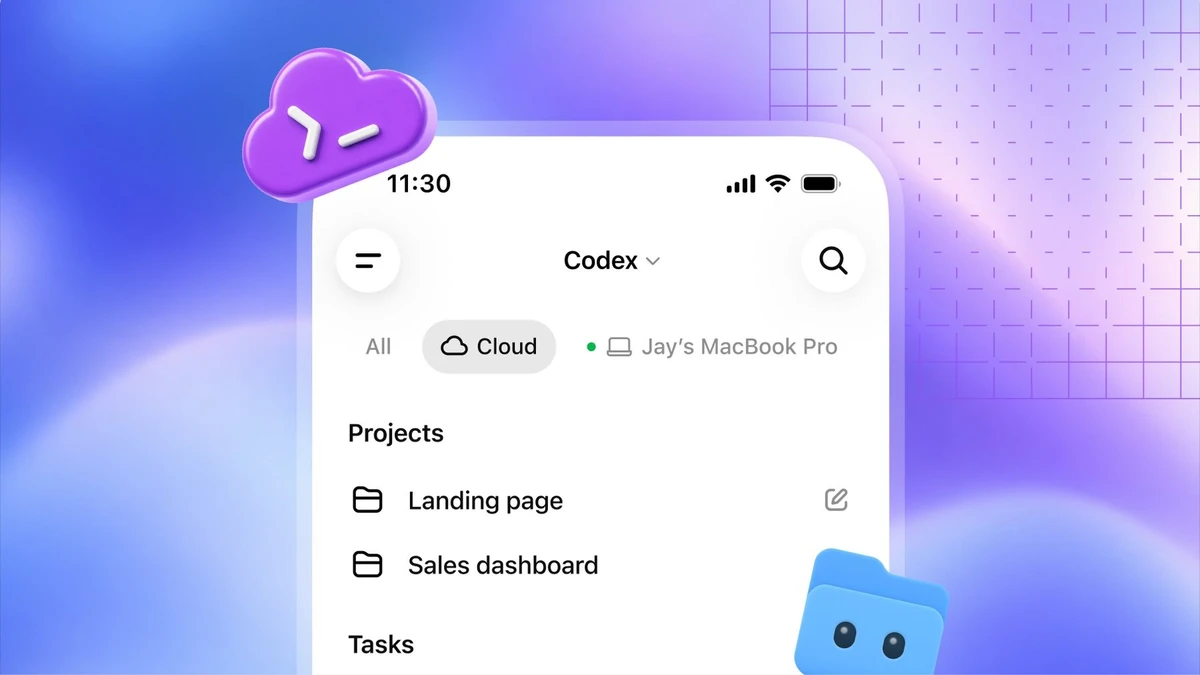
The mechanics of vibe coding are surprisingly simple. You open a tool like Cursor AI, GitHub Copilot, Replit Agent, or v0, and you start talking. Not coding — talking. You describe what you want the software to do, and the AI generates the code, tests it, and deploys it.
Here's what a typical vibe coding session looks like:
- Describe your idea: "I need a web app that tracks my running routes and shows weekly progress charts."
- AI generates code: The tool creates the full application — frontend, backend, database — based on your description.
- Review and iterate: You test it, notice the charts look wrong, and say "make the weekly charts use bar graphs instead of lines."
- Deploy: Tools like GitHub Spark give you a shareable URL. Your app is live on the internet.
Microsoft's Doher Drizzle Pablo, a non-technical business professional transferred from the Philippines to Sweden, built a custom expense management app in two hours using Power Apps' AI-driven Plan Designer — without writing a single line of code. She now builds apps for calendar management, event planning, and customer lead sharing.
The Best AI Coding Assistants for Vibe Coding in 2026
The best AI coding assistant in 2026 depends on your experience level and what you're building. Here's how the top tools compare:
For Complete Beginners
- Lovable: Describe your app idea in plain English and get a working prototype in minutes. Raised at a $6.6 billion valuation. Best for quick web apps.
- Replit Agent: Conversational AI that builds, deploys, and hosts your app. No setup required. Strong for learning.
- v0 (by Vercel): Specializes in web interfaces. Harvard's Karen Brennan used it to build a research project website and was "amazed by how quickly" she created it.
For Developers and Power Users
- GitHub Copilot: 20M+ users, 42% market share. Deep integration with VS Code. Python creator Guido van Rossum uses it daily: "I feel more productive, but it's more like having an electric saw instead of a hand saw."
- Cursor AI: Built specifically for AI-first coding. Favored by startups and indie developers for its speed and context awareness.
- Claude Code (Anthropic): Used in Harvard's six-week vibe coding course. Strong at understanding complex project requirements.
Harvard Is Already Teaching Vibe Coding
When an Ivy League university builds a course around a trend, it's no longer just a trend — it's a paradigm shift. Harvard Graduate School of Education launched a six-week vibe coding course led by Professor Karen Brennan, where 92 students — many with zero coding experience — built functional software projects.
"The core promise for me is democratization of creation," Brennan told the Harvard Gazette. "Vibe coding makes the production of software accessible to more people. You can have an idea and realize that idea without having a degree in computer science or hiring a team of developers."
Each week, students used different tools (Replit, Figma Make, Claude Code) to build software around themes: tell a story, make life easier, invite play. The course paired hands-on creation with critical reading — because understanding what AI can't do is as important as knowing what it can.
"Vibe coding is often optimized for how much wow can I get in the next hour, rather than for the quality of what's created or for the people who might depend on it." — Karen Brennan, Harvard Graduate School of Education
The Technology Democratization Impact
For decades, software creation was gated by two things: technical expertise or money to hire experts. Vibe coding eliminates both barriers simultaneously.
Consider the numbers:
- Before vibe coding: Building a basic web app required $10,000-$50,000 in developer fees or 6-12 months of self-study in programming.
- After vibe coding: A working prototype can be created in hours, for $20/month (ChatGPT Pro subscription) or free (Replit's basic tier).
This isn't theoretical. Ryan Cunningham, who leads Microsoft's Power Platform, calls it "a long-awaited democratization of software creation." He sees the lines blurring between "people who solve problems for the business and people who write software, who used to be very different types of humans."
But vibe coding also raises serious equity questions. Harvard's Brennan notes that vibe coding "privileges people who are strong verbal communicators" — because your ability to describe what you want determines what you get. Students with design or technical backgrounds can articulate more precise requirements, creating a new kind of digital divide within the democratization itself.
The Limits and Risks of Vibe Coding
For all its promise, vibe coding has significant blind spots that every aspiring builder should understand:
Security and Reliability
"If people think we're going to be able to get to a robust, truly scalable solution just using natural language prompts — and not understanding the system architecture and the dimensions of complexity — we're just not there yet," says Amanda Silver, Corporate VP at Microsoft.
The Retention Problem
A Forbes analysis revealed that traffic to vibe coding platforms has dropped sharply from their 2024 peaks, and user retention is declining. The reason: building a prototype is easy, but building a business is not. Many users hit a wall when their AI-generated app needs debugging, scaling, or integration with real-world systems.
Environmental and Cost Concerns
Every AI-generated response consumes computing power. Harvard's course explicitly grappled with the environmental impact and cost of AI-powered creation — a consideration that matters as millions more people start using these tools daily.
The "Frustrated Loop"
Students in Harvard's course frequently got stuck in what Brennan calls "frustrated loops" — prompting the AI for something, getting a result that's not quite right, and being unable to articulate what needs to change. Technical vocabulary, even basic understanding of how software works, still provides a significant advantage.
How to Build an App With AI: A Practical Starting Guide
Ready to try vibe coding? Here's a practical roadmap for building your first app with AI — no coding experience required:
- Start with a real problem: The best vibe coding projects solve something you personally need. Pablo built an expense tracker; Harvard students built storytelling tools.
- Choose the right tool: For web apps, try Lovable or v0. For general-purpose projects, try Replit Agent. For mobile, try GitHub Spark.
- Write clear descriptions: Be specific about what you want. "A recipe organizer with ingredient search and meal planning" works better than "a cooking app."
- Iterate in small steps: Don't try to describe the entire app at once. Build one feature, test it, then add the next.
- Learn to read (not write) code: Ask the AI to explain what it created. Understanding the output — even at a high level — makes you a better collaborator.
- Know when to stop: Vibe coding excels at prototypes and personal projects. If your app needs to handle real money, sensitive data, or thousands of users, involve a professional developer.
What Comes Next: The Future of AI-Powered Creation
Vibe coding isn't going away. If anything, it's the beginning of what Harvard's Brennan calls "vibe everything" — a future where the central practices of imagining possibilities, expressing them clearly, reviewing outputs, and iterating become fundamental life skills.
Microsoft, GitHub, and Anthropic are all investing heavily in making AI coding assistants more capable, more secure, and more accessible. GitHub's Chief Product Officer Mario Rodriguez says understanding and testing code "will remain essential skills — debatably now more than ever — when building with AI in production environments."
The real story isn't about replacing programmers. It's about the millions of people — entrepreneurs, teachers, small business owners, students — who previously had no way to turn their ideas into software. That barrier is now gone. The question is no longer can you build it? but what will you build?
Ready to Explore 100+ AI Tools?
Discover the best AI tools for building, creating, and democratizing technology — curated for builders of every skill level.
Explore AI Tools on MW3.biz